



Listen to this article
Estimated 4 minutes
The audio version of this article is generated by AI-based technology. Mispronunciations can occur. We are working with our partners to continually review and improve the results.
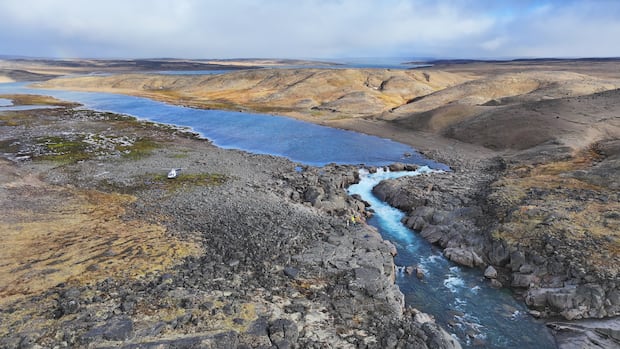
Nunavut Nukkiksautiit Corporation has released the first field study results for its proposed hydroelectricity project at the Kuugaaluk River.
Prime Minister Mark Carney added the project to the list of "nation-building" projects last November.
The data was collected in August and September of last year, and covers four study areas: aquatics, archaeology, ground studies and wildlife and terrestrial.
The data collection looked into which animals frequented the proposed area for the site the most, while also testing water and fish movement of Arctic Char. The data also measured the temperature of the permafrost and tested the soil, rocks, and depth to bedrock, while also examining the area’s Inuit ancestral roots and how it was used for an annual caribou hunt.
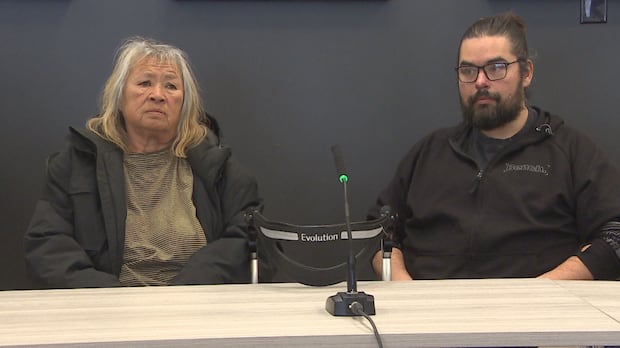
Iqaluit resident Caroline Whittle says she often fishes in the area and is curious about the research being conducted, particularly the archaeological research.
"It was nice to see there was some old tent ring sites, old tools that they had found and no graves were reported to be found, which was kind of relieving because maybe if there was, it might have changed how I felt about the project." Whittle said.
Jess Pudister, NNC’s manager of strategy and engagement, said since this was the first year of testing, the data only shows what the baseline situation is at Kuugaaluk.
“It is still quite early at this point before we can speak to trends or speak to a more holistic picture of what's going on there," she said. "But the data collection programs that we did in 2025 have set us up really well for expanding those programs in 2026 to get a bigger, more clear picture of what's happening.”
Pudister said the four areas of study will continue this summer, with an added geotechnical drilling program to further examine the bedrock.
Previously, Pangnirtung MLA Johnny Mike told CBC he has concerns about the impact survey being done in the area as the location for the survey was chosen without consulting Panniqtuurmiut.
“The Pang people at the meeting last year never supported the survey. I also did not support it to a point where I thought that survey wasn't going on,” Mike said. “But it happened in Kuugaaluk this past summer and it was kind of mind blowing."
Pudister said she understands Panniqtuurmiut have concerns about the project and NNC is doing the field studies to fully understand what the potential impacts of the project could be.
She said NNC went to Pangnirtung in March and May last year to share preliminary data collection plans with the hamlet council and the hunters and trappers organization.
“We weren't asking for support to move forward on the project at that time because again, like I said, it's premature to be asking for support to move forward on this project," Pudister said. "We're really just at a stage where we've been given direction from Inuit leadership just to study.”
Pudister said the project is still in its early stages and more consultations will happen in Pangnirtung in April.
As for Whittle, she’s still learning more about the project and the data collection process before she forms a strong option.
“I don't have serious concerns. I'm neutral. It'd be great for Iqaluit to have a hydro power and eliminate diesel use,” she said. “I'm still learning all of this and I think these information sessions are really helpful.”